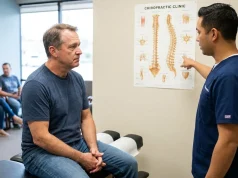
Struggling with shooting leg pain? You might wonder, can a chiropractor help sciatica find natural relief? Discover how targeted spinal adjustments effectively restore your daily mobility.
This comprehensive guide explores everything you need to know about treating sciatic nerve pain. We cover common symptoms, proven chiropractic techniques, essential lifestyle modifications, and how natural adjustments compare to traditional medical treatments for lasting, drug-free pain relief and improved mobility.
What is Sciatica?
Sciatica is not a standalone medical condition but rather a collection of severe symptoms caused by the compression or irritation of the sciatic nerve. This nerve is the longest and thickest in the human body, running from your lower back, through your hips and buttocks, and down the back of each leg. When this nerve becomes pinched, the resulting discomfort can completely disrupt your life.
Common Symptoms
If you are dealing with sciatic nerve irritation, you will likely experience symptoms on just one side of your body. The most frequent complaints include:
- A sharp, burning, or shooting pain that radiates from the lower back down the back of your thigh and calf.
- Numbness or a tingling “pins and needles” sensation in your leg or foot.
- Muscle weakness in the affected leg, making it difficult to stand or walk.
- A constant, dull ache in one side of your buttocks that worsens when sitting.
- Sudden jolts of pain triggered by coughing, sneezing, or laughing.
Leading Causes of Sciatic Nerve Pain
To understand how to fix the problem, you must understand what causes it. The most common culprit is a herniated disc. The soft, rubbery discs between your vertebrae can sometimes slip or rupture, putting direct pressure on the adjacent nerve roots. According to the experts at Mayo Clinic, other frequent causes include bone spurs on the spine, spinal stenosis (narrowing of the spinal canal), and age-related degenerative disc disease. In some cases, a tight piriformis muscle in the buttocks can also compress the nerve, a condition known as piriformis syndrome.
Impact on Daily Life
Living with untreated sciatic nerve pain takes a massive toll on your physical and mental well-being. Simple tasks like tying your shoes, driving to work, or simply finding a comfortable sleeping position become agonizing challenges. Many patients find themselves relying heavily on over-the-counter painkillers, which only mask the symptoms temporarily without addressing the root cause. This is where holistic pain management strategies become crucial.
How Chiropractic Care Works for Sciatica

When patients ask, can a chiropractor help sciatica, the answer lies in the fundamental principles of chiropractic medicine. Chiropractors specialize in diagnosing and treating mechanical disorders of the musculoskeletal system, particularly the spine. Instead of prescribing medication to dull the pain, they use hands-on techniques to remove the structural interference causing the nerve compression.
Spinal Adjustments and Manipulation
The cornerstone of chiropractic care is the spinal adjustment. Through controlled, sudden force applied to specific joints, a chiropractor can realign misaligned vertebrae. This realignment immediately reduces the pressure placed on the sciatic nerve. By restoring proper movement to the spinal joints, the body can naturally reduce inflammation and begin the healing process.
Soft Tissue Therapy
Because tense muscles can exacerbate or even cause nerve compression, chiropractors frequently utilize soft tissue therapy. Techniques like deep tissue massage, trigger point therapy, and myofascial release help break down scar tissue and relax severe muscle spasms. Releasing tension in the lower back and glutes allows the sciatic nerve to glide freely without friction.
Flexion-Distraction Technique
Many chiropractors use a specialized table for the flexion-distraction technique. This gentle, non-thrusting approach stretches the lower spine, increasing the space between the vertebrae. It is highly effective for patients suffering from herniated or bulging discs, as it creates a negative pressure that draws the disc material back into its proper place, away from the nerve root.
Additional Modalities
Depending on your specific diagnosis, a chiropractor might also incorporate ultrasound therapy or cold laser therapy. These treatments penetrate deep into the tissues to increase blood circulation, reduce swelling, and accelerate cellular repair around the damaged nerve. Integrating these methods provides a well-rounded approach to your spinal health.
Benefits of Chiropractic Treatment

Opting for chiropractic intervention provides numerous advantages over conventional medical routes. Here is what you can expect when you commit to a natural healing plan.
Drug-Free Pain Relief
The most significant benefit is achieving profound pain relief without relying on addictive opioids or harsh NSAIDs. Chiropractic care treats the mechanical root of the problem, offering a sustainable solution that protects your internal organs from the side effects of long-term medication use.
Improved Mobility and Flexibility
Nerve compression severely limits your range of motion. As your chiropractor realigns your spine and relaxes tense muscles, you will notice a drastic improvement in your flexibility. You will find it much easier to bend, twist, and walk without anticipating a sudden jolt of pain.
Reduced Inflammation
Spinal misalignments create a constant state of localized inflammation. Adjustments restore proper nervous system function and biomechanics, which signals your body to halt the inflammatory response. As swelling decreases, so does the pressure on your sciatic nerve.
Prevention of Future Flare-Ups
Chiropractors do not just treat your current pain; they work to prevent future episodes. By addressing posture imbalances, strengthening your core, and educating you on proper body mechanics, they equip you with the tools to keep your spine healthy for years to come.
Mini-Conclusion: Ultimately, chiropractic care empowers your body to heal itself, providing a holistic pathway back to an active, pain-free life.
Comparison: Chiropractic Care vs. Other Treatments
To make an informed decision about your healthcare, it is vital to understand how chiropractic adjustments stack up against other common medical interventions.
Structured Comparison Table
|
Feature |
Chiropractic Care |
Physical Therapy |
Medication |
Surgery |
|---|---|---|---|---|
|
Primary Focus |
Spinal alignment and nerve function |
Muscle strengthening and mobility |
Masking pain symptoms |
Removing structural blockages |
|
Invasiveness |
Non-invasive |
Non-invasive |
Chemical |
Highly invasive |
|
Side Effects |
Minimal (mild soreness) |
Minimal (muscle fatigue) |
High (drowsiness, organ stress) |
High (infection, long recovery) |
|
Cost |
Moderate |
Moderate |
Ongoing expense |
Extremely high |
|
Time to Relief |
Fast to moderate |
Moderate to slow |
Immediate (temporary) |
Varies (requires rehabilitation) |
As noted by Spine-Health, conservative care like chiropractic adjustments should almost always be explored before considering highly invasive surgical options. Exploring chiropractic benefits first can save you from unnecessary risks.
Common Mistakes to Avoid
When dealing with severe nerve pain, desperation can lead to poor decision-making. Avoid these common pitfalls to ensure a smooth recovery:
- Relying Solely on Bed Rest: While a day or two of rest is fine for acute pain, prolonged inactivity actually weakens your supporting muscles and worsens nerve stiffness.
- Applying Heat Too Early: If your pain is fresh and highly inflamed, applying a heating pad will increase swelling. Always use ice during the first 48 hours to numb the area and constrict blood vessels.
- Ignoring the Root Cause: Masking the pain with pills while continuing poor postural habits guarantees the pain will return. You must address the mechanical issue.
- Attempting Extreme Stretches: Forcing your body into aggressive yoga poses can further aggravate a compressed nerve. Only perform stretches recommended by your healthcare provider.
Tips for Choosing the Right Chiropractor
Finding a skilled professional makes all the difference in your recovery journey.
Expert Insights for Your Search
- Check Credentials and Experience: Ensure the chiropractor is fully licensed and has specific experience treating sciatic nerve issues.
- Ask About Techniques: Not all chiropractors use the same methods. If you prefer a gentle approach, ask if they utilize flexion-distraction or activator techniques rather than traditional manual adjustments.
- Look for a Comprehensive Approach: The best chiropractors incorporate soft tissue work, rehabilitative exercises, and lifestyle counseling into their treatment plans, rather than relying solely on quick adjustments.
- Read Patient Reviews: Look for testimonials from patients who had similar symptoms and achieved long-lasting relief.
Lifestyle Changes to Support Treatment

Your chiropractor will do the heavy lifting in the clinic, but your habits at home determine your long-term success. Implementing specific lifestyle changes drastically enhances your healing speed.
Perfect Your Posture
Poor posture places immense stress on your lower lumbar spine. Whether you are sitting at a desk or standing in line, keep your shoulders back, your chest out, and your weight evenly distributed. Avoid crossing your legs while sitting, as this tilts your pelvis and compresses the sciatic nerve.
Make Ergonomic Adjustments
If you work a desk job, invest in an ergonomic chair that provides robust lumbar support. Position your computer monitor at eye level so you do not have to hunch forward. According to Orlando Health, taking frequent breaks to stand, stretch, and walk around prevents the muscles surrounding your sciatic nerve from stiffening.
Commit to Targeted Exercises
Once your acute pain subsides, your chiropractor will prescribe specific exercises to stabilize your spine. Core strengthening is paramount; a strong core acts as an internal corset, supporting your vertebrae and reducing the load on your lower back discs. Gentle hamstring and piriformis stretches also keep your leg muscles supple and free from tension.
Conclusion
You do not have to let nerve pain dictate your life. As we have explored, asking can a chiropractor help sciatica leads to a resounding yes. Through targeted spinal adjustments, soft tissue therapy, and personalized lifestyle guidance, chiropractic care provides a highly effective, natural solution to nerve compression. If you are tired of relying on temporary fixes, schedule a consultation with a licensed chiropractor today and take your first step toward lasting relief.
Frequently Asked Questions
1. Is it safe to see a chiropractor when I have severe sciatic pain?
Yes. Chiropractors are highly trained to evaluate the severity of your condition. They use specific, gentle techniques tailored to your pain level, ensuring safety while effectively relieving nerve pressure.
2. How many chiropractic sessions will I need to feel relief?
Treatment timelines vary based on the underlying cause and severity of your condition. Many patients experience mild relief after just one or two sessions, while chronic cases may require several weeks of consistent care to achieve complete healing.
3. Does a chiropractic adjustment hurt when my nerve is already inflamed?
A skilled chiropractor uses precise, controlled movements. While you might feel mild soreness after an initial adjustment—similar to post-workout fatigue—the actual procedure is designed to relieve pain, not cause it.
4. Can a chiropractor fix a herniated disc causing my sciatica?
Chiropractors cannot “cure” a herniated disc, but techniques like flexion-distraction successfully reduce the intradiscal pressure. This draws the bulging disc material away from the sciatic nerve, allowing the area to heal naturally without surgery.
5. Should I see a physical therapist or a chiropractor first?
Both offer excellent conservative care. A chiropractor excels at correcting joint misalignments and structural interference, while a physical therapist focuses heavily on muscle rehabilitation. Many patients achieve the best results by combining both therapies.
6. Will my sciatica eventually go away on its own without treatment?
Mild cases triggered by minor muscle strain might resolve independently with rest and ice. However, if the pain stems from a structural issue like a misaligned vertebra or a degenerating disc, ignoring it usually leads to worsening symptoms over time.
7. Can I exercise while receiving chiropractic treatment for nerve pain?
Yes, but you must modify your routine. Avoid heavy weightlifting, high-impact running, or deep twisting motions. Stick to gentle walking, swimming, and the specific rehabilitative stretches prescribed by your chiropractor.
8. What is the difference between sciatica and general lower back pain?
General lower back pain remains localized in the lumbar region. Sciatica is specifically characterized by pain, numbness, or tingling that travels down the path of the sciatic nerve, moving from the buttocks into the leg and sometimes the foot.
9. Do chiropractors use massage to treat nerve compression?
Yes, most chiropractors utilize various forms of soft tissue therapy. Releasing chronic tension in the lower back and gluteal muscles is crucial, as tight muscles directly contribute to nerve irritation and joint misalignment.
10. How do I prevent my sciatic pain from returning after I finish treatment?
Prevention requires consistent effort. Maintain a strong core, practice impeccable posture, invest in ergonomic workplace furniture, and continue performing the daily stretching routine your chiropractor recommended. Periodic maintenance adjustments also keep your spine functioning optimally.