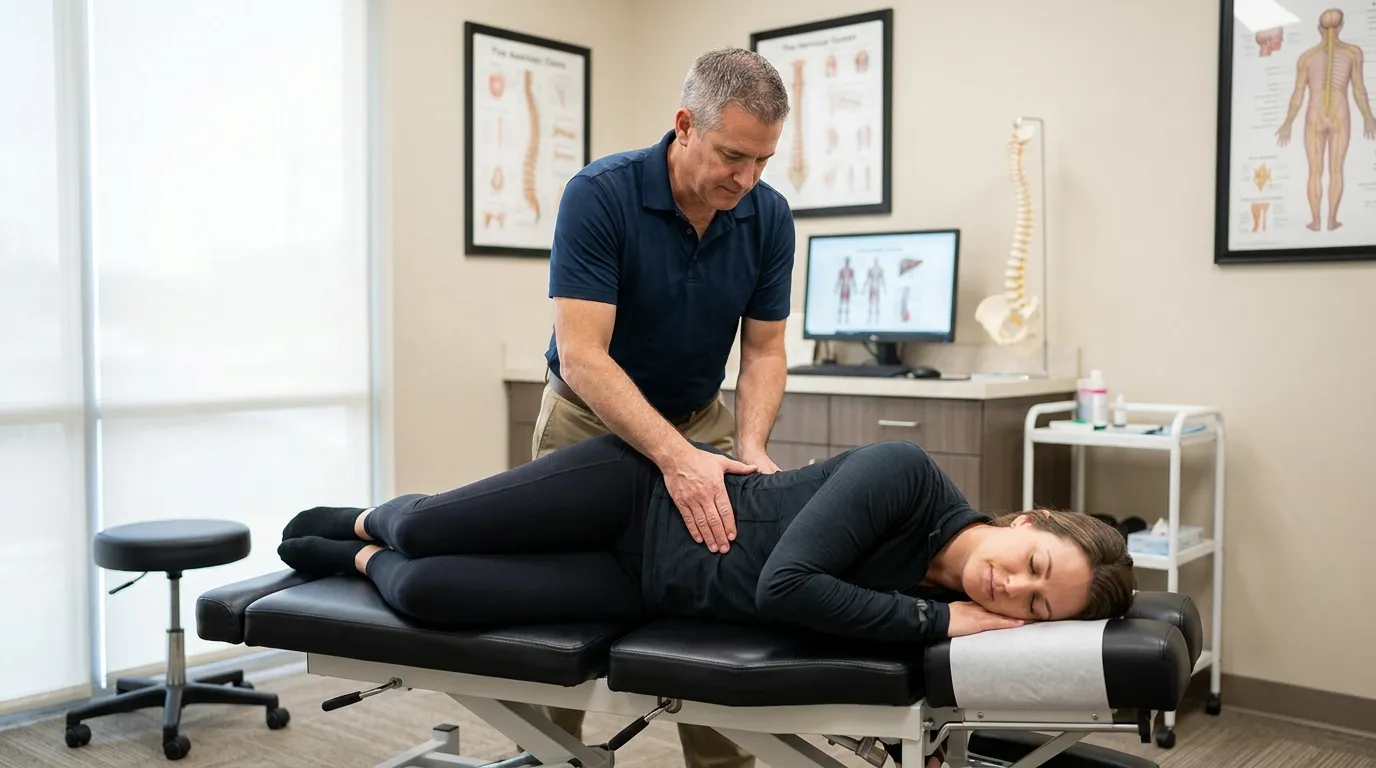
Are you struggling with shooting leg pain? Chiropractic treatment for sciatica offers a natural, drug-free solution to relieve nerve pressure, restore mobility, and help you reclaim your active lifestyle safely.
This comprehensive guide explains everything you need to know about chiropractic treatment for sciatica. You will discover the root causes of sciatic nerve pain, explore proven adjustment techniques, and learn actionable strategies to accelerate your healing. Read on to find expert insights, compare care options, and see why conservative care works.
Understanding the Need for Chiropractic Treatment for Sciatica
Sciatica describes a specific type of pain radiating along the sciatic nerve. This nerve branches from your lower back, travels through your hips, and goes down each leg. When something compresses this nerve, it triggers sharp, shooting pain. Many patients turn to chiropractic treatment for sciatica because it directly addresses the mechanical compression causing the pain.
Patients often experience a burning sensation, numbness, or tingling in the affected leg. Muscle weakness can also occur, making simple tasks like walking or standing difficult. Instead of masking these symptoms with medication, chiropractic treatment for sciatica focuses on removing the underlying nerve interference. This approach promotes true healing rather than temporary symptom management.
What Causes Sciatic Nerve Compression?
Several spinal conditions can pinch the sciatic nerve. A herniated or bulging disc remains the most common culprit. When the soft inner core of a spinal disc leaks out, it presses directly against the nerve root. Chiropractic treatment for sciatica effectively manages disc issues through targeted spinal adjustments.
Bone spurs on the spine can also cause nerve irritation. These bony growths develop due to joint damage from osteoarthritis. Furthermore, spinal stenosis, the narrowing of the spinal canal, pinches nerves as they exit the spinal cord. In all these scenarios, chiropractic treatment for sciatica improves spinal alignment to reduce structural pressure.
Why Choose Chiropractic Treatment for Sciatica?

Choosing chiropractic treatment for sciatica empowers you to heal naturally. Traditional medical routes often rely on heavy pain medications, muscle relaxants, or invasive surgeries. These options carry significant risks and potential side effects. Chiropractic treatment for sciatica provides a safe, conservative alternative that encourages the body to heal itself.
Chiropractors undergo extensive training to understand the musculoskeletal system. They identify exact areas of restricted joint motion. By applying precise force, they restore proper movement and alignment. This core principle makes chiropractic treatment for sciatica highly effective for long-term pain relief.
The Science Behind the Adjustments
When a chiropractor performs an adjustment, it initiates a complex neurological response. The rapid, controlled force stimulates mechanoreceptors in the joints. This stimulation blocks pain signals traveling to the brain. This neurological reset explains why patients often feel immediate relief after chiropractic treatment for sciatica.
Furthermore, restoring joint mobility reduces local inflammation. When a joint moves correctly, it pumps out inflammatory byproducts and brings in fresh, nutrient-rich fluids. This physiological change accelerates tissue repair. Therefore, chiropractic treatment for sciatica does much more than pop your back; it creates an optimal environment for cellular healing. You can learn more about the biomechanics of spinal health through resources provided by the National Institutes of Health.
Top Techniques in Chiropractic Treatment for Sciatica

Chiropractors utilize various specialized techniques to address sciatic nerve pain. Your provider will select the best method based on your specific diagnosis and physical condition. Here are the most effective methods used during chiropractic treatment for sciatica.
Spinal Manipulation and Adjustments
Spinal adjustments form the foundation of chiropractic treatment for sciatica. The chiropractor applies a high-velocity, low-amplitude thrust to misaligned vertebrae. This action realigns the spine and takes pressure off the sciatic nerve. Restoring alignment decreases muscle spasms and allows the nervous system to function without interference.
Flexion-Distraction Therapy
Flexion-distraction therapy represents a highly specialized chiropractic treatment for sciatica. The chiropractor uses a segmented table that gently stretches the spine. This rhythmic traction creates a vacuum effect within the spinal discs. The negative pressure helps pull herniated disc material back into place, taking it off the sciatic nerve. It remains a painless, highly effective approach for severe disc injuries.
Soft Tissue Massage and Myofascial Release
Tense muscles often exacerbate sciatic pain. The piriformis muscle in the buttocks can spasm and clamp down directly on the sciatic nerve. To counter this, chiropractic treatment for sciatica usually incorporates soft tissue therapies. Techniques like myofascial release and trigger point therapy relax these tight muscles. Relieving muscular tension removes secondary sources of nerve compression.
Comparing Your Options: Chiropractic vs. Traditional Medical Care
When evaluating your healthcare choices, you must understand how different approaches work. This comparison table highlights why many prefer chiropractic treatment for sciatica over standard medical interventions.
|
Feature |
Chiropractic Treatment for Sciatica |
Traditional Medical Care |
|---|---|---|
|
Primary Focus |
Correcting structural misalignments |
Masking symptoms with medication |
|
Invasiveness |
Non-invasive, hands-on therapy |
Can include injections or surgery |
|
Side Effects |
Mild soreness (temporary) |
Dependency, organ stress, surgical risks |
|
Healing Goal |
Long-term functional restoration |
Short-term pain management |
|
Recovery Time |
Progressive, active recovery |
Varies; surgery requires long downtime |
As the table shows, chiropractic treatment for sciatica prioritizes your body’s natural healing capacity. It addresses the root mechanical issue rather than just silencing the pain alarms.
Step-by-Step Guide: Your First Chiropractic Treatment for Sciatica

Knowing what to expect can ease any anxiety you have about your first visit. Here is a step-by-step breakdown of how a clinic initiates chiropractic treatment for sciatica.
- Comprehensive Consultation: The chiropractor will discuss your medical history. They will ask when the pain started, what makes it worse, and how it affects your daily life.
- Physical Examination: You will undergo orthopedic and neurological tests. The doctor will test your reflexes, muscle strength, and range of motion to locate the exact nerve impingement.
- Diagnostic Imaging: If necessary, the chiropractor will order X-rays or an MRI. These images reveal disc herniations, bone spurs, or severe misalignments guiding your chiropractic treatment for sciatica.
- Personalized Treatment Plan: Based on the findings, the doctor creates a custom protocol. They will explain the specific techniques they plan to use for your chiropractic treatment for sciatica.
- The First Adjustment: You will receive your initial treatment. The chiropractor will use gentle, targeted force to begin restoring spinal function.
- At-Home Care Instructions: The visit concludes with advice on posture, ice/heat application, and gentle movements to support your recovery.
Expert Insights on Chiropractic Treatment for Sciatica
Leading experts emphasize the importance of early intervention. Delaying care often leads to worsening nerve damage and muscle atrophy. Starting chiropractic treatment for sciatica as soon as symptoms appear drastically improves your prognosis.
“The biggest mistake patients make is waiting for the pain to go away on its own,” notes a spinal health expert. “Nerve compression creates a cycle of inflammation and muscle spasm. Chiropractic treatment for sciatica breaks this cycle early, preventing chronic, long-term disability.”
Experts also highlight the holistic nature of this care. Effective chiropractic treatment for sciatica does not happen in a vacuum. It requires a partnership between the doctor and the patient. Patients must actively participate by performing prescribed stretches and modifying their daily habits to protect their lower back. You can find excellent guidelines on protecting your back from the Mayo Clinic.
Common Mistakes to Avoid When Seeking Relief
When dealing with severe pain, people often make errors that hinder their recovery. Avoid these common mistakes when pursuing chiropractic treatment for sciatica.
- Relying Solely on Bed Rest: Staying in bed for days weakens your muscles and stiffens your joints. Chiropractic treatment for sciatica encourages gentle, controlled movement to maintain spinal flexibility.
- Using Heat on Acute Pain: Applying a heating pad to a fresh injury increases inflammation around the sciatic nerve. Always use ice during the initial flare-up before starting your chiropractic treatment for sciatica.
- Stopping Treatment Too Early: Many patients quit their chiropractic treatment for sciatica as soon as the pain diminishes. However, underlying structural issues require consistent care to heal completely. Stopping early leads to rapid relapses.
- Ignoring Poor Posture: Slouching at your desk puts massive pressure on your lumbar discs. You must correct your ergonomics; otherwise, you will undo the progress made during your chiropractic treatment for sciatica.
Pro Tips to Maximize Your Chiropractic Treatment for Sciatica
You can actively enhance the effectiveness of your care. Implement these pro tips to get the best results from your chiropractic treatment for sciatica.
- Stay Hydrated: Your spinal discs need water to stay plump and functional. Drinking plenty of water supports the disc healing promoted by your chiropractic treatment for sciatica.
- Engage in Core Strengthening: A strong core acts as an internal corset for your spine. Ask your chiropractor for specific core stability exercises to support your lower back.
- Walk Daily: Walking is a natural, low-impact way to keep your spine moving. It pumps nutrients into your discs and complements the mechanical changes made during your chiropractic treatment for sciatica.
- Listen to Your Body: Do not push through sharp pain. If a certain movement aggravates your sciatica, stop immediately and report it to your doctor during your next session of chiropractic treatment for sciatica.
Mini-Conclusion: Taking Control of Your Spinal Health
Navigating sciatic pain feels overwhelming, but you hold the power to change your trajectory. Chiropractic treatment for sciatica offers a clear, actionable path toward recovery. By understanding your spinal mechanics and committing to a targeted treatment plan, you can eliminate nerve interference. Taking proactive steps today prevents chronic pain tomorrow.
Long-Term Healing and Maintenance
True healing takes time. While chiropractic treatment for sciatica often provides rapid pain relief, rebuilding damaged tissues requires patience. Your discs, ligaments, and nerves need consistent care to regain their full strength and resilience.
Once the acute pain subsides, your focus should shift to maintenance. Periodic wellness adjustments keep your spine aligned and prevent future sciatic flare-ups. Continuing your sciatica stretches at home maintains the flexibility achieved through your chiropractic treatment for sciatica. Think of this phase as an ongoing investment in your mobility and quality of life. For further reading on managing nerve pain, consult authoritative resources like the Cleveland Clinic.
Chiropractic treatment for sciatica delivers powerful, natural pain relief by directly addressing spinal misalignments and nerve compression. By choosing conservative care, avoiding common mistakes, and following expert advice, you can heal safely without invasive procedures. Take control of your spinal health today, consult a qualified chiropractor, and step back into a vibrant, pain-free life.
FAQs
What exactly is chiropractic treatment for sciatica?
Chiropractic treatment for sciatica involves non-invasive therapies, primarily spinal adjustments, designed to realign the spine, reduce inflammation, and relieve pressure on the compressed sciatic nerve.
How quickly does chiropractic treatment for sciatica work?
Many patients feel mild relief after their very first visit. However, comprehensive healing through chiropractic treatment for sciatica typically takes several weeks of consistent care, depending on the severity of the nerve compression.
Is chiropractic treatment for sciatica safe?
Yes, chiropractic treatment for sciatica is widely recognized as a highly safe, conservative approach. It carries far fewer risks than prescription painkillers, epidural steroid injections, or spinal surgery.
Can chiropractic treatment for sciatica fix a herniated disc?
Yes. Techniques like flexion-distraction used during chiropractic treatment for sciatica create negative pressure within the spine, which helps retract herniated disc material away from the affected nerve root.
Do I need a referral to get chiropractic treatment for sciatica?
In most cases, you do not need a medical referral to begin chiropractic treatment for sciatica. You can contact a licensed chiropractic clinic directly to schedule your initial consultation and exam.
Does chiropractic treatment for sciatica hurt?
The adjustments performed during chiropractic treatment for sciatica are generally painless. You might experience mild muscle soreness afterward, similar to the feeling after a good workout, as your body adapts to its proper alignment.
What should I wear to my chiropractic treatment for sciatica?
Wear loose, comfortable clothing to your appointments. Your doctor needs you to move freely to assess your range of motion and properly perform your chiropractic treatment for sciatica.
How is chiropractic treatment for sciatica different from physical therapy?
While both approaches help, chiropractic treatment for sciatica focuses heavily on correcting joint mechanics and spinal alignment through specific adjustments, whereas physical therapy focuses more on muscular rehabilitation and strengthening.
Will I need X-rays before starting chiropractic treatment for sciatica?
Your doctor will determine if X-rays are necessary based on your clinical examination. Imaging helps them see exact structural issues, ensuring your chiropractic treatment for sciatica is safe and highly targeted.
Can I exercise while undergoing chiropractic treatment for sciatica?
Yes, but you must avoid heavy lifting or high-impact sports. Your provider will prescribe specific, gentle exercises that complement your chiropractic treatment for sciatica and aid in your overall recovery.