
In today’s digital landscape, quality rest is often undervalued despite its profound influence on physical well-being, cognitive performance, and emotional balance. Currently, many individuals struggle to unwind fully, resulting in chronic fatigue, diminished productivity, and impaired mood regulation. Achieving better sleep is not a luxury but a necessity for holistic health. This year (2026), advancements in sleep science have underscored practical, evidence-based strategies that anyone can adopt to enhance nightly rest. From aligning your internal clock with natural light cycles to refining your pre-sleep routine, a variety of techniques can contribute to deeper and more restorative slumber. Whether you experience occasional tossing and turning or persistent sleep disturbances, this comprehensive guide will walk you through proven methods to transform your nights and reclaim the rejuvenating power of uninterrupted rest.
Understanding Sleep Architecture and Rhythms
A nuanced comprehension of sleep stages lays the foundation for better sleep. Sleep alternates between non-rapid eye movement (NREM) and rapid eye movement (REM) phases. NREM sleep comprises three progressively deeper levels, facilitating processes such as tissue repair, immune function, and metabolic regulation. REM sleep, in contrast, is critical for memory consolidation, emotional processing, and neural plasticity. Disruptions to these cycles can leave you feeling unrefreshed even after adequate time in bed.
Central to regulating these phases is the circadian rhythm, your body’s internal clock synchronized with environmental cues like light and temperature. Studies from institutions such as the National Institutes of Health (NIH) highlight the importance of maintaining alignment between daily activities and natural day-night patterns (NIH). When this rhythm is misaligned due to irregular schedules or excessive screen exposure, hormone secretions, including melatonin and cortisol, become erratic. Melatonin signals the brain that it’s time for rest, whereas cortisol promotes alertness. Balancing these hormones is essential for falling asleep swiftly and staying asleep throughout the night.
By cultivating awareness of these biological mechanisms, you can make targeted adjustments—such as timed light exposure or strategic mealtime choices—to support consistent cycles. In turn, these actions promote deeper, more restorative phases of rest and contribute significantly to your journey toward better sleep.
Crafting a Consistent Sleep-Wake Schedule

One of the most impactful steps toward better sleep involves setting a regular bedtime and wake-up time, even on weekends. Consistency reinforces your circadian rhythm, making it easier to fall asleep naturally and wake with energy. This approach is endorsed by research at Harvard Medical School (Harvard Health), which notes that stable sleep patterns reduce nighttime awakenings and improve daytime alertness.
Start by selecting a sleep window that aligns with your lifestyle and obligations. If you aim for eight hours of rest, calculate your ideal bedtime by counting backward from your desired wake-up time. Then, create a pre-sleep ritual beginning 30 to 60 minutes before lights out. Engage in calming activities such as reading a printed book, journaling, or gentle stretching. Over time, this sequence conditions your mind and body to transition smoothly into a restful state.
Lighting plays a crucial role in signaling readiness for sleep. During daylight hours, expose yourself to natural light to reinforce wakefulness. In the evening, dim household lights and minimize screen time to encourage melatonin production. Consider using blackout curtains or an eye mask to maintain darkness. By building these habits, you strengthen your internal clock and pave the way for consistently restorative rest and sustained better sleep.
Optimizing Your Bedroom Environment
Your sleep environment serves as the backdrop for nightly restoration. Creating a haven that minimizes distractions and sensory disturbances is fundamental to better sleep. Aim to keep your bedroom temperature between 60°F and 67°F (approximately 15°C to 19°C), as cooler conditions facilitate the body’s temperature drop during sleep. Excessive heat or cold can fragment your rest and diminish overall sleep quality.
Complete darkness is equally important. Research from the Centers for Disease Control and Prevention (CDC) indicates that even low levels of light can suppress melatonin and reduce REM duration (CDC). Utilize blackout curtains, blinds, or an eye mask to eliminate unwanted light sources. Sound control is another consideration; white-noise machines or earplugs can mask disruptive noises such as traffic or partner movement.
Finally, invest in a supportive mattress and pillows tailored to your preferred sleep position. Over time, an unsupportive surface can lead to discomfort and awakenings. By addressing temperature, illumination, and bedding quality, you create an environment that enhances uninterrupted, rejuvenating rest.
Evening Rituals and Lifestyle Adjustments
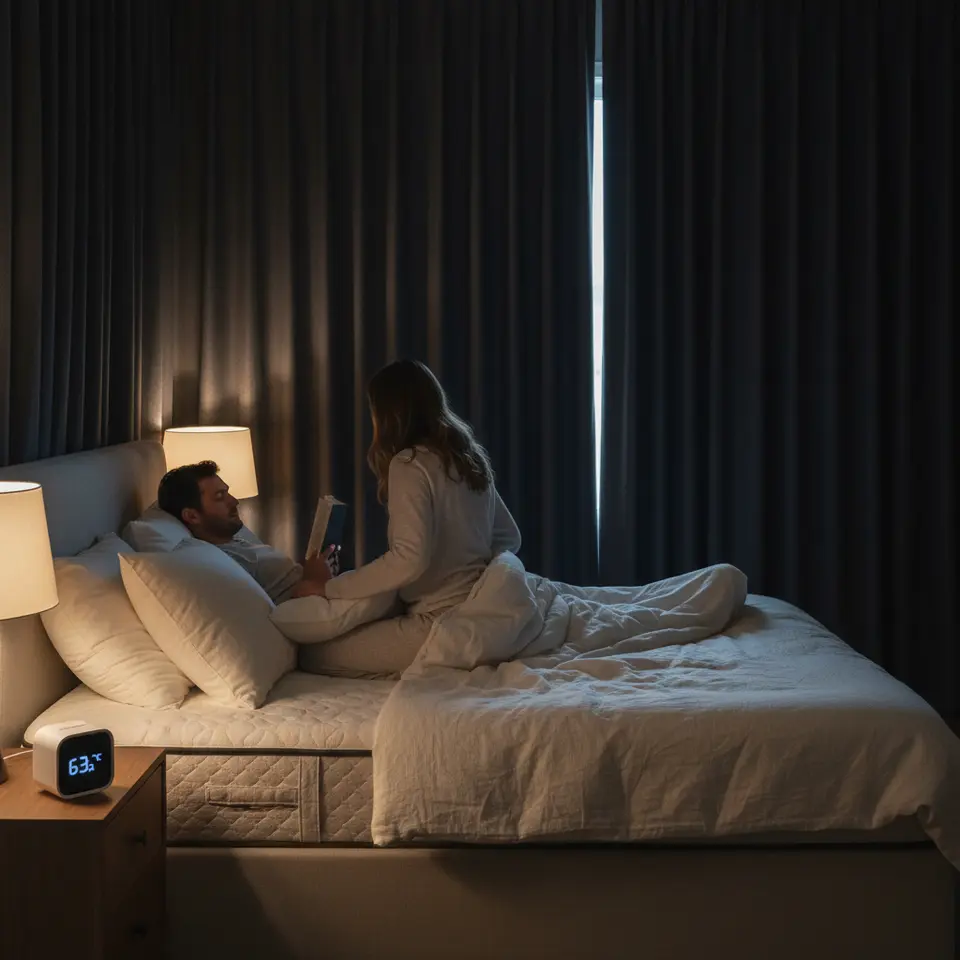
What you do in the hours leading up to bedtime directly influences your ability to achieve deeper rest. Limiting exposure to screens and blue light at least one hour before bed is crucial, as these wavelengths inhibit melatonin secretion and delay the onset of drowsiness. Instead, opt for low-luminosity lamps or engage in relaxing activities like reading a printed novel or practicing light yoga.
Dietary choices also play a significant role. Avoid large meals, caffeine, and alcohol within three hours of lights out. Caffeine, a central nervous system stimulant, can remain active for up to eight hours, impairing sleep onset. Alcohol may initially induce drowsiness but leads to fragmented rest and diminished REM phases later in the night. Ensure hydration throughout the day but taper fluid intake as evening approaches to minimize nocturnal awakenings.
Stress management techniques such as mindfulness meditation, progressive muscle relaxation, or guided imagery can help quell racing thoughts. Dedicate time earlier in the evening to process worries—perhaps through journaling or a brief conversation—so your mind is calmer when you lie down. By embedding these rituals into your routine, you support a gentle transition into restorative sleep and move closer to sustainable better sleep patterns.
Incorporating Movement and Relaxation Techniques
Regular physical activity is a cornerstone of overall health and a powerful aid for improving sleep quality and achieving better sleep. Engaging in at least 30 minutes of moderate aerobic exercise most days stimulates endorphin release and helps regulate your circadian rhythm. However, avoid intense workouts within three hours of bedtime, as elevated heart rate and core temperature can delay sleep onset.
Instead, consider low-impact evening exercises such as restorative yoga, tai chi, or gentle stretching. These practices foster mindfulness and muscle relaxation, setting the stage for deeper rest. Additionally, breathing techniques like the 4-7-8 method enhance parasympathetic activation, reducing sympathetic arousal and promoting calm. To perform this technique, inhale quietly through your nose for four seconds, hold the breath for seven seconds, then exhale audibly through your mouth for eight seconds. Repeat this cycle four times to help your body shift toward a tranquil state conducive to sleep.
Integrating relaxation modalities into your daily life—whether through short meditation sessions, guided imagery, or progressive muscle relaxation—can yield significant dividends for your nighttime rest. Over time, these practices not only improve sleep initiation but also enhance the depth and continuity of your slumber.
Leveraging Technology and Natural Aids
Modern technology offers insightful tools for tracking and improving sleep. Wearable devices and smartphone apps can monitor parameters like sleep duration, movement patterns, and heart rate variability. Reviewing this data allows you to identify trends and make targeted adjustments—for example, shifting your bedtime slightly earlier or modifying your pre-sleep routine based on detected disturbances.
Natural supplements can complement behavioral strategies when used judiciously. Melatonin is a popular option for occasional jet lag or schedule disruptions, but dosage and timing are critical. Magnesium supports muscle relaxation and nervous system balance, while herbal remedies such as valerian root or chamomile tea may have mild sedative effects. Always consult a healthcare professional before introducing supplements, especially if you have underlying health conditions or take other medications.
While technology and supplements can support your progress, they are most effective when integrated into a broader framework of healthy sleep habits. By combining data-driven insights with evidence-based natural aids, you empower yourself to progressively refine your approach and achieve consistently better sleep.
Frequently Asked Questions
Q: How long does it take to see improvements after adjusting my sleep schedule?
A: Most people notice initial benefits within one to two weeks of consistent bed and wake times. Full adaptation of your circadian rhythm may take a month, so maintain your routine for lasting results.
Q: Is it safe to use melatonin every night?
A: Melatonin is generally safe for short-term use, but long-term nightly supplementation should only occur under medical guidance to ensure proper dosing and rule out underlying sleep disorders.
Q: What if I can’t control external noise or light in my bedroom?
A: Invest in high-quality earplugs, white-noise machines, blackout curtains, or a sleep mask. These tools effectively mitigate disturbances and create a more controlled environment.
Q: Can exercise in the evening really improve sleep?
A: Yes—low-impact activities like gentle yoga or stretching can promote relaxation without overstimulating your system. Avoid vigorous workouts close to bedtime to prevent elevated heart rate from delaying sleep onset.
Conclusion
Achieving restorative rest is essential for thriving in today’s demanding world. By understanding sleep architecture, crafting a consistent schedule, and optimizing your environment, you lay the groundwork for meaningful improvements. Evening rituals, regular physical activity, and strategic use of technology further enhance your ability to fall asleep swiftly and remain undisturbed. Incorporating these science-backed strategies into your daily life will guide you toward deeper, more rejuvenating nights. Begin your journey to better sleep by selecting one or two techniques to implement today. Over time, these incremental changes will culminate in a sustainable routine that supports vibrant health and well-being throughout this year (2026) and beyond.