
In today’s digital landscape, maintaining optimal gut health has become a critical priority for anyone seeking lasting wellness and vitality. Your gastrointestinal tract hosts an intricate community of trillions of microorganisms—bacteria, fungi, and viruses—that collectively influence digestion, immunity, and even mental well-being. This year (2026), groundbreaking research from institutions such as NIH and Harvard University underscores how nurturing this microbial ecosystem yields benefits ranging from improved nutrient absorption to reduced inflammation and balanced mood. Whether you’re new to the concept or looking to refine existing habits, this comprehensive guide will outline science-backed nutritional strategies, lifestyle adjustments, and practical tips to foster a resilient gut microbiome.
Over the following sections, you’ll explore the fundamentals of microbiome function, learn how to fuel beneficial microbes with prebiotics and probiotics, harness the power of dietary fiber and fermented foods, and adopt integrative lifestyle practices that reinforce gut lining integrity. You’ll also discover a sample 7-day meal framework, strategies to monitor progress, and common pitfalls to avoid. Ready to embark on your gut health journey? Let’s dive in and empower your body with the knowledge and tools needed to cultivate a thriving internal ecosystem today.
Understanding Your Gut Microbiome
The gut microbiome is a vibrant, ever-changing ecosystem composed of thousands of microbial species that reside predominantly in the large intestine. Currently, advances in genomic sequencing allow researchers to identify and quantify these microorganisms, revealing that their combined genetic material far exceeds our own. This microbial community fulfills several vital functions:
- Digestive Assistance: Beneficial bacteria ferment complex carbohydrates and fibers into short-chain fatty acids (SCFAs) like butyrate, propionate, and acetate, which nourish colon cells and support overall gut barrier health.
- Immune Education: Microbes help train the immune system to differentiate between harmless and harmful agents, reducing the risk of autoimmune reactions and chronic inflammation.
- Vitamin Synthesis: Certain gut inhabitants contribute to the biosynthesis of essential micronutrients, including vitamin K2 and various B vitamins.
- Barrier Integrity: A balanced microbiome strengthens tight junctions in the intestinal lining, preventing leaky gut and the translocation of toxins into the bloodstream.
Colonization of the microbiome begins at birth, influenced by factors such as mode of delivery (vaginal vs. cesarean), breastfeeding, antibiotic exposures, and early diet. As you age, diet remains the most powerful determinant of microbial diversity. Dysbiosis—an imbalance in these microbial populations—can arise from excessive antibiotic use, high-sugar diets, chronic stress, and inadequate fiber intake. Clinical evidence from CDC highlights links between dysbiosis and conditions like irritable bowel syndrome (IBS), metabolic syndrome, and inflammatory bowel disease (IBD).
Assessing your microbial profile through stool testing (16S rRNA sequencing or shotgun metagenomics) can offer insights, but results should be interpreted alongside symptom tracking and professional guidance. Over-reliance on direct-to-consumer kits without clinical context may lead to confusion. Integrating these data with personalized nutrition plans under the supervision of a registered dietitian or gastroenterologist ensures targeted interventions.
Beyond diet, environmental exposures play a role: spending time outdoors, interacting with pets, and reducing the use of harsh antibacterials can introduce beneficial microbes and support ecosystem resilience. In today’s urban settings, finding safe opportunities to interact with nature—community gardens, hiking trails, or even potted plants at home—fosters microbial exchanges that enrich gut health.
Fueling Your Microbiome with Prebiotics and Probiotics

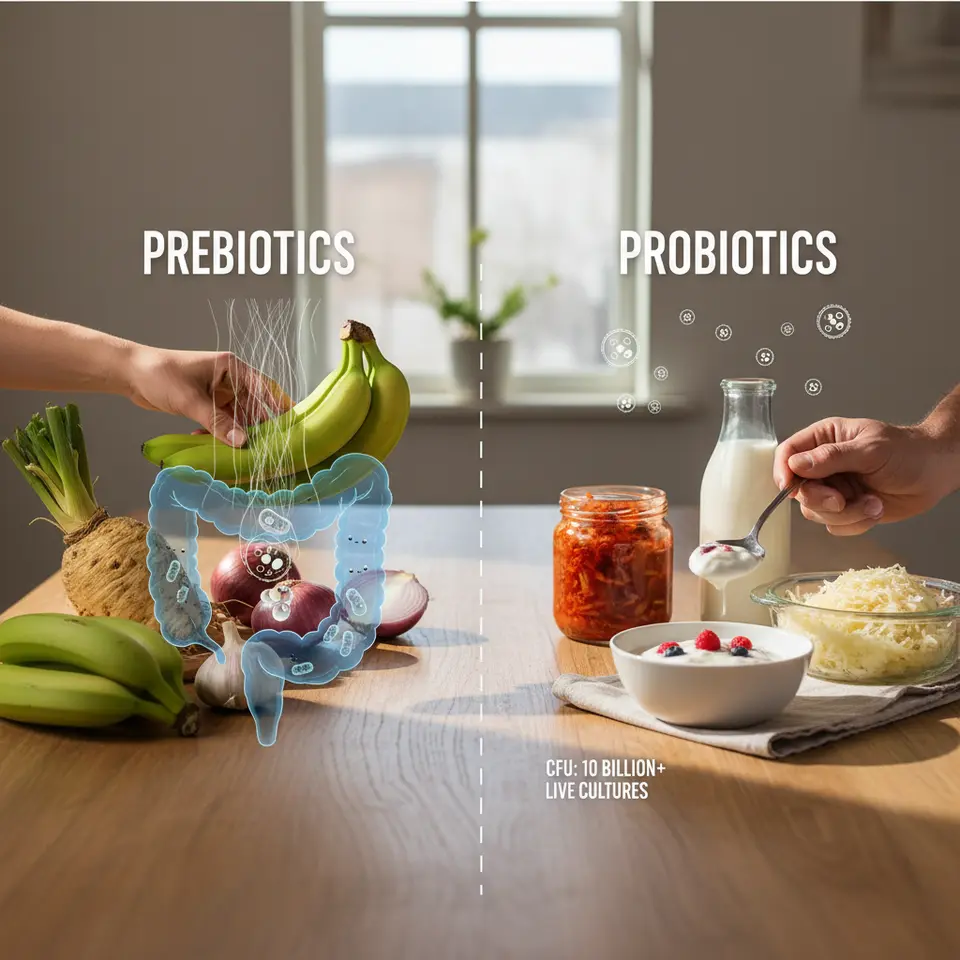
A balanced approach to gut health involves both prebiotics—non-digestible fibers that feed beneficial microbes—and probiotics—live microorganisms that can colonize or transiently inhabit the gut. Combining these strategies optimizes microbial diversity and function.
Prebiotics Explained
Prebiotics are specialized plant fibers that resist digestion in the upper gastrointestinal tract and reach the colon intact. There, they serve as selective substrates for beneficial bacteria like Bifidobacterium and Lactobacillus species. Key prebiotic fibers include:
- Inulin: Found in chicory root, artichokes, and leeks—supports bifidobacteria growth.
- Fructooligosaccharides (FOS): Present in garlic, onions, asparagus, and bananas—enhances beneficial microbe populations.
- Galactooligosaccharides (GOS): Derived from lactose in dairy—promotes Bifidobacterium and Lactobacillus strains.
- Resistant Starch: Found in cooled potatoes, green bananas, and legumes—boosts SCFA production.
Daily dosages of prebiotic fibers vary, but a general target is 5–10 grams combined from diverse sources. Introduce these fibers gradually over several weeks to minimize gas and bloating, and always pair with adequate hydration.
Probiotic Sources and Strains
Probiotics are live microorganisms that, when consumed in sufficient quantities, confer health benefits. Common dietary sources include:
- Yogurt: Look for products labeled live cultures, containing strains like Lactobacillus acidophilus and Bifidobacterium lactis.
- Kefir: A fermented milk beverage with multiple bacterial and yeast strains.
- Fermented Vegetables: Sauerkraut, kimchi, and pickles—rich in lactic acid bacteria.
- Kombucha: Fermented tea offering yeasts and bacteria—watch for added sugars.
- Tempeh and Miso: Fermented soy products that add umami flavor and live cultures.
When selecting probiotic supplements, choose clinically studied strains such as Lactobacillus rhamnosus GG (LGG) or Bifidobacterium longum, and ensure a viable count of at least 1–10 billion CFU per serving. Store products as directed—some require refrigeration to maintain potency. Always consult a healthcare professional before beginning high-dose regimens, especially if you have a compromised immune system or serious health conditions.
Harnessing the Power of Dietary Fiber
Dietary fiber remains a foundational element for gut health, acting as a bulking agent for regular bowel movements, supporting glycemic control, and feeding beneficial microbes. Fiber can be categorized into three main types:
- Soluble Fiber: Dissolves in water to form a gel, helping to lower cholesterol and stabilize blood sugar (oats, apples, legumes).
- Insoluble Fiber: Adds bulk and accelerates intestinal transit (whole wheat, brown rice, vegetables).
- Resistant Starch: Escapes digestion in the small intestine and ferments in the colon (cooled potatoes, green bananas, beans).
Aim for a daily total of 25–35 grams of fiber from a variety of plant sources. Gradually increase intake by adding small portions of fibrous foods at each meal. For example, start your day with oatmeal topped with berries and flaxseed, enjoy a lentil soup for lunch, and incorporate a side of steamed broccoli or Brussels sprouts at dinner. Drink at least eight glasses of water throughout the day to facilitate fiber’s movement through the digestive tract and prevent constipation.
Short-chain fatty acids produced by fiber fermentation—particularly butyrate—play a crucial role in maintaining colonocyte health and regulating inflammation. According to the USDA, diets rich in fiber can also support weight management by increasing satiety and reducing overall caloric intake. If you experience gas or bloating, try cooking fibrous foods thoroughly, soaking legumes before cooking, or rotating fiber sources to find the mix that works best for your body.
Embracing Fermented Foods for Microbial Diversity
Fermented foods introduce a broad spectrum of live cultures, enzymes, and bioactive compounds that contribute to microbial diversity and digestive ease. Unlike some probiotic supplements that contain only a few strains, natural fermentation can produce dozens of different organisms in a single food item. Consider incorporating these options:
- Natto: Fermented soybeans from Japan, rich in vitamin K2 and the enzyme nattokinase, which may support cardiovascular health.
- Kefir Soda: A fizzy, low-sugar alternative to kombucha that still delivers probiotic benefits.
- Fermented Vegetables: Radishes, carrots, cucumbers, and beets prepared via lacto-fermentation—easy to make at home.
- Miso and Tempeh: Fermented soy products that add umami richness to soups, marinades, and stir-fries.
When selecting commercial fermented foods, choose unpasteurized varieties to ensure live culture presence. Start with small servings—1 to 2 tablespoons—and gradually increase to avoid digestive discomfort. If you enjoy hands-on cooking, try simple at-home fermentation: combine chopped vegetables with sea salt, press under a weighted lid, and allow to ferment at room temperature for 3–7 days before refrigerating. This process harnesses wild lactic acid bacteria and yields a customized flavor profile.
Integrative Lifestyle and Nutrition Strategies
Nutrition accounts for a large share of gut health, but lifestyle habits are equally influential. The following integrative strategies can help you cultivate a resilient digestive system:
Balanced Macronutrients
Focus on a well-rounded plate at each meal:
- Lean Proteins: Fish, poultry, eggs, and plant proteins supply amino acids essential for gut lining repair and immune cell function.
- Healthy Fats: Omega-3 fatty acids from salmon, flaxseed, chia seeds, and walnuts reduce intestinal inflammation. Medium-chain triglycerides in coconut oil support barrier integrity.
- Complex Carbohydrates: Whole grains, starchy vegetables, and legumes provide sustained energy and resistant starch that feed beneficial microbes.
Stress Management
Chronic stress disrupts the gut-brain axis, altering motility and microbial balance. Incorporate at least 10 minutes of meditation, yoga, or deep breathing each day to calm the nervous system.
Quality Sleep
Aim for 7–9 hours of uninterrupted rest nightly. Poor sleep increases gut permeability and inflammatory markers. Create a consistent bedtime routine, minimize screen exposure before sleep, and maintain a cool, dark, and quiet bedroom environment.
Regular Physical Activity
Moderate exercise—such as brisk walking, cycling, or yoga—promotes healthy gut transit time and enhances microbial diversity. Strive for 150 minutes of moderate-intensity aerobic activity per week.
Hydration
Adequate water intake supports mucosal lining function and softens stools. A general rule is to consume half your body weight in ounces of water daily, adjusting for factors like exercise and climate.
Sample 7-Day Meal Template
Below is a flexible framework you can adapt according to preferences and caloric needs. Each day balances fiber, fermented foods, quality protein, and healthy fats.
- Day 1: Breakfast—Greek yogurt with berries, chia seeds, and a drizzle of honey; Lunch—Quinoa bowl with roasted chickpeas, kale, sauerkraut, and tahini; Dinner—Baked salmon, roasted Brussels sprouts, and sweet potato mash.
- Day 2: Breakfast—Overnight oats made with kefir, flaxseed, and sliced banana; Lunch—Lentil soup with garlic, onions, and parsley; Dinner—Stir-fry tofu with broccoli, bell peppers, and brown rice.
Rotate proteins, vegetables, and fermented foods for days 3–7 to maintain variety and microbial stimulation.
Tracking Progress and Avoiding Pitfalls
Keep a food and symptom diary for at least two weeks. Look for improvements in digestive comfort (reduced bloating and gas), consistent energy levels, stable mood, and clearer skin. Common mistakes include overloading on probiotics too quickly, neglecting hydration when increasing fiber, consuming excessive sugars that feed harmful microbes, and relying on a one-size-fits-all approach. Personalize your plan based on individual responses and consult healthcare professionals as needed.
Frequently Asked Questions
- How long does it take to see improvements in gut health?
Many individuals notice changes in digestion and energy within 2–4 weeks of consistent dietary and lifestyle modifications, though research-backed improvements in microbial diversity may take several months. - Can I get prebiotics and probiotics from diet alone?
Yes, a diet rich in diverse plant fibers, fermented foods like yogurt, kefir, and sauerkraut, and resistant starch sources can supply both prebiotics and probiotics without supplements. - Are there any side effects when starting prebiotic fibers?
Introducing prebiotics too quickly can cause gas and bloating. It’s best to increase intake gradually, spread across meals, and ensure adequate hydration. - How often should I consume fermented foods?
Start with 1–2 tablespoons daily or a small serving with one meal and adjust according to tolerance. Regular, moderate intake supports ongoing microbial diversity.
Conclusion
Optimizing gut health is a multifaceted journey that integrates targeted nutrition, fermented foods, ample fiber, and supportive lifestyle habits such as stress management, quality sleep, and regular exercise. By embracing prebiotics, probiotics, diverse fibers, and balanced macronutrients—backed by research from leading institutions—you can cultivate a thriving gut microbiome that underpins digestion, immunity, and overall vitality. Start implementing these strategies today, track your progress, and adjust based on personal feedback. With consistency and mindful choices, you’ll pave the way for lasting gut resilience and vibrant well-being in 2026 and beyond.